Why Your Bra Size Feels Wrong: Bra Fit, Shapes & Easy Fixes
Posted on
Bra Sizing Without the Tears
Why your “right bra size” can still feel wrong (and what to try instead)
If bras have ever made you feel like you’re the problem — you’re not. Bra sizing is a starting point, not a promise. Two bras with the same bra size on the label can fit completely differently, and it’s usually down to bra shape and bra style, not anything about you.
I’ve got separate bra sizing guides for cis and trans customers if you want the step-by-step measuring side. But this post is about the part nobody explains properly:
why your bra fit can feel “wrong” even when the size should be right — and what that usually means.
Why bras aren’t universal (even when the size matches)
A bra size gives you a rough idea of band size and cup size (and cup volume), but it doesn’t tell you:
-
where your fullness sits (top, bottom, centre, wider-set)
-
whether you’re more shallow or more projected (how far forward volume sits)
-
how tall the cups are, how wide the wires are, or how stretchy the band is
-
how the bra is constructed (moulded, seamed, padded, unlined)
So when something feels off, it often means the bra style isn’t matched to your shape or your comfort goals — not that you’ve “failed” at bra sizing.
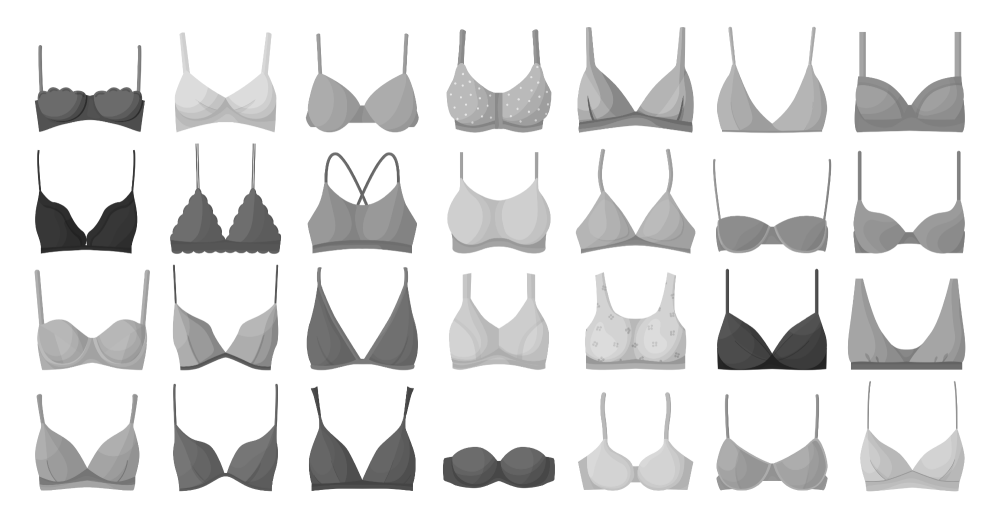
Bra shapes that change everything (and why)
Think of these as different “cuts,” like jeans. Same size on the label, wildly different results.
T-shirt bra (moulded cup bra)
Smooth under clothes, but the cup is pre-shaped and doesn’t adapt much. If you don’t match the mould, you can get gaping or spillage even in the “right” cup size.
Balconette bra
More open at the top, lifts from underneath. Often great for a rounded look, but can cut in if you’re fuller on top.
Plunge bra
Lower centre gore (the bit between the cups) and a deeper neckline. Often brilliant for cleavage and also helpful if a high centre feels uncomfortable.
Full cup bra
More coverage and a “contained” feel. Can be very secure, but sometimes gapes if the cups are tall and you’re not full at the top.
Unlined bra / seamed cup bra
More flexible and often more forgiving because the fabric shapes to you instead of expecting you to match a fixed shape. A great “reset” option if bra fitting has started to feel like guesswork.
“Why does this bra feel wrong?” The most common reasons
1) Gaping at the top of the cups
Often a bra shape mismatch: the cups are too tall, too stiff (hello, moulded T-shirt bra), or the straps sit too wide and pull the cup oddly.
Try: a plunge bra, balconette bra, or an unlined bra before assuming you need a smaller cup.
2) Spilling over the top or sides
This can be cup volume, but it can also be a cup that’s too closed on top or too narrow for your shape.
Try: a more open cup style, or one cup size up in the same style (brands vary a lot here).
3) Band rides up at the back
Usually the band size is too loose (or the band fabric is very stretchy), so everything shifts and the straps end up doing the heavy lifting.
Try: a firmer band, or a style with more supportive band construction.
4) Underwire feels stabby or sits on tissue
That’s often underwire shape, not “you picked the wrong size.” Wires vary hugely in width and height, especially at the centre.
Try: a different bra style (often a plunge bra helps if the centre feels pokey), or a different brand whose wires suit you better.
5) Straps dig in
Often the band isn’t providing enough support, so straps try to do the band’s job.
Try: prioritising a secure band fit first, then adjusting straps.
A quick note for trans customers
A lot of standard bra fitting advice is written as if everyone’s body is built the same way. In reality, ribcage shape, spacing, and where volume sits can change which bra styles feel best — and that’s why one person’s perfect T-shirt bra is another person’s gaping nightmare.
Comfort and confidence are the goal. The label is just a clue.
The kinder way to bra shop
Instead of “What’s wrong with me?” try:
“What is this bra designed to do — and does that match my shape and my comfort goals?”
If you want the step-by-step measuring side, my bra sizing guides (cis and trans) are there. But if you’re stuck in the loop of “my bra size should fit and it doesn’t”… it’s usually the bra style that needs changing — not you.
As always, if you have any questions or need any help, just send me an email